Wrecking bars and crowbars are common tools used for prying and levering on a variety of objects. In this post, we'll explore the key differences and uses between wrecking bars and crowbars, and which one you should choose. Let's get started!
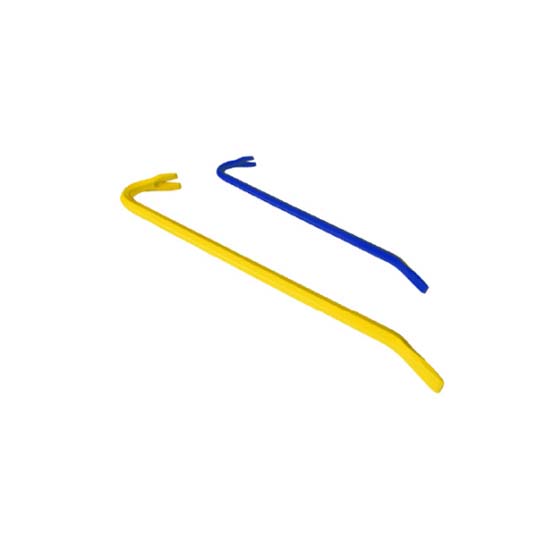
Wrecking bars
A wrecking bar is a hand tool that’s designed to pull objects apart. A wrecking bar is made from a steel alloy and flattened into a strong bar containing a claw, flattened, or pointed end.
Wrecking bars are versatile tools many woodworkers have in their toolboxes. The flattened portion allows the metal to work as a lever, and the tools at the end work for poking holes, ripping out nails, and pulling items apart. Many wrecking bars receive heat treatment that transforms them into powerful tools before getting coated with a rust-resistant substance.
Pressing open paint cans
Opening windows that are stuck
Removing tiling on a floor
Opening car doors that are jammed
Getting rid of molding
Breaking glass
These are just a few of the uses for pry bars, they come in handy in a variety of situations!
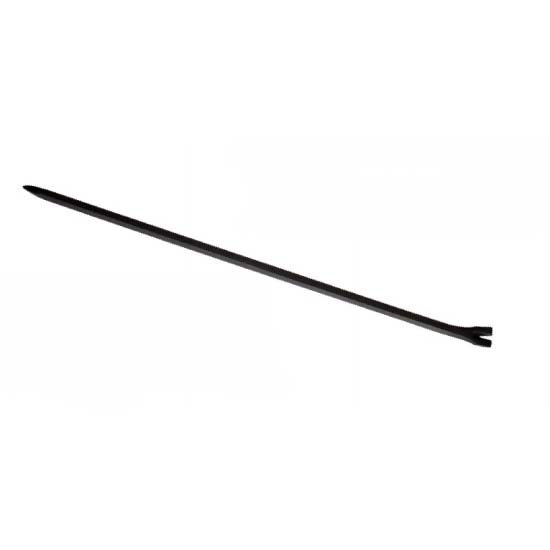
Crowbar
A crowbar is a tool that uses leverage to push items open. On a crowbar, there is usually a smaller chiseled end and a bigger curved spot on the other. Many of them have nail pullers to provide versatile functions for users.
Crowbars are often thinner than wrecking bars, but they provide the same function. It’s easy to get them mixed up because you can accomplish the same task with either.
Remove nails from wood
Easily pry items apart
Demolish items with a powerful hinge
In summary, the main difference between the two is that a wrecking bar is usually flat and thin while a crowbar can be thicker and longer. In most cases, either product will work for your needs.
For more information visit this link.

What is a wrecking bar? A wrecking bar is a heavy-duty prying tool designed for demolition, nail pulling, and separating tightly fixed materials. In a wrecking bar vs crowbar comparison, wrecking bars are typically thicker, longer, and provide greater leverage, while a crowbar is more versatile for lighter prying and general-purpose tasks.
When comparing wrecking bar vs crowbar for demolition jobs, a wrecking bar is usually the better choice. Its flat ends, curved claw, and reinforced steel construction allow it to handle high-force applications such as breaking wood, removing embedded nails, and tearing apart structures more efficiently than a standard crowbar.
In a crowbar vs wrecking bar comparison for everyday tasks, the crowbar often wins due to its lighter weight and easier handling. Crowbars are ideal for prying open crates, lifting objects, and basic construction work, whereas wrecking bars are more specialized for heavy-duty leverage and demolition.
Yes, there is a clear design difference in crow bar vs wrecking bar tools. A crowbar typically features a curved end and a pointed tip for prying, while a wrecking bar usually has flattened ends and a wider claw for nail pulling. These design differences directly affect how force is applied and which tool performs better in specific tasks.
When deciding between pry bar vs crowbar vs wrecking bar, the right choice depends on your application. Pry bars are best for precision prying in tight spaces, crowbars offer versatility for general use, and wrecking bars excel in heavy demolition and structural work. Understanding these differences helps you choose the most effective tool for your job.
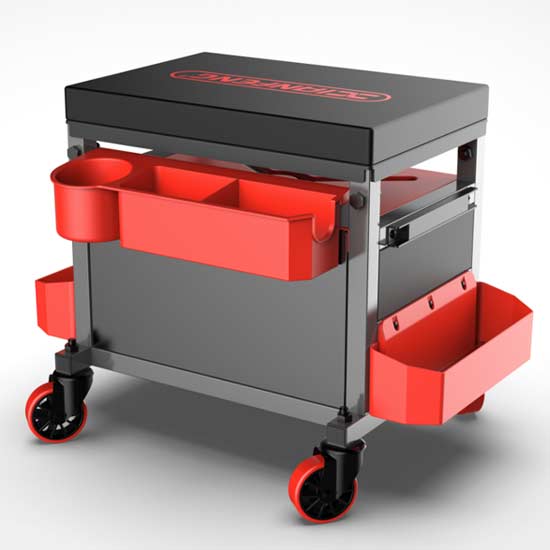 Tool seat
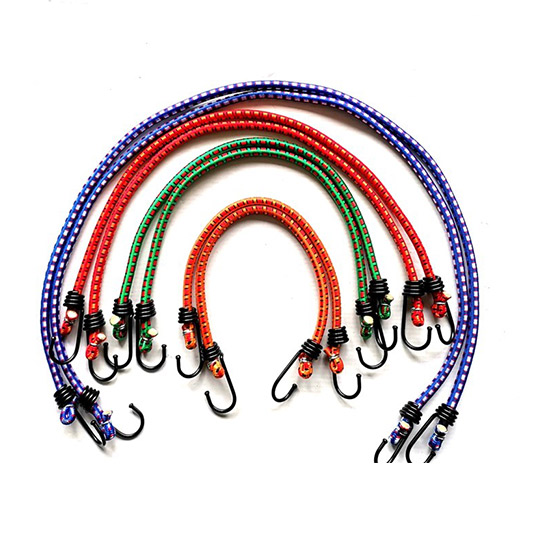 Stretch Cord
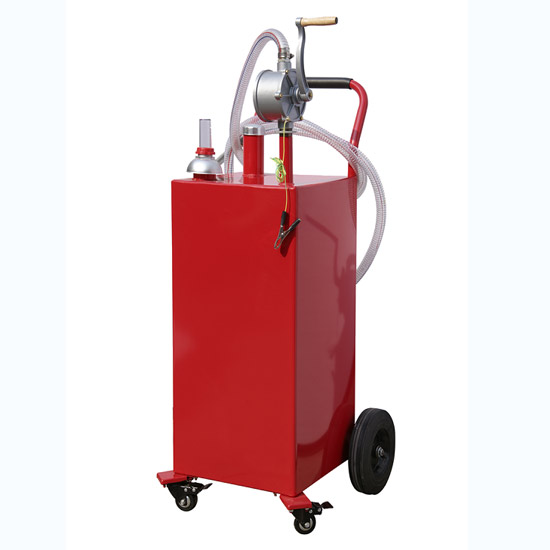 Oil Pump
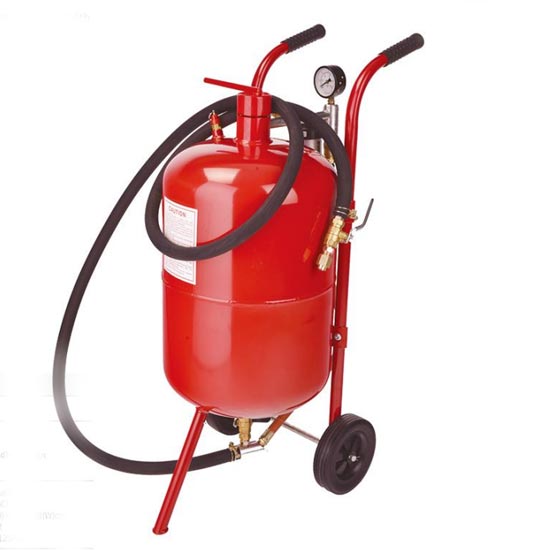 Sandblast Pot
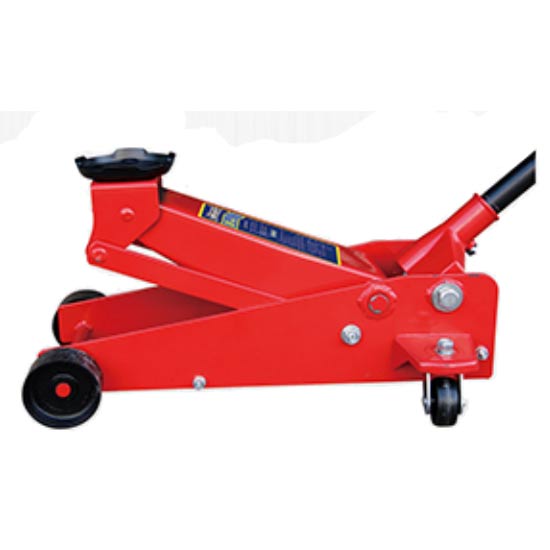 2.25 Ton Hydraulic Floor Jack
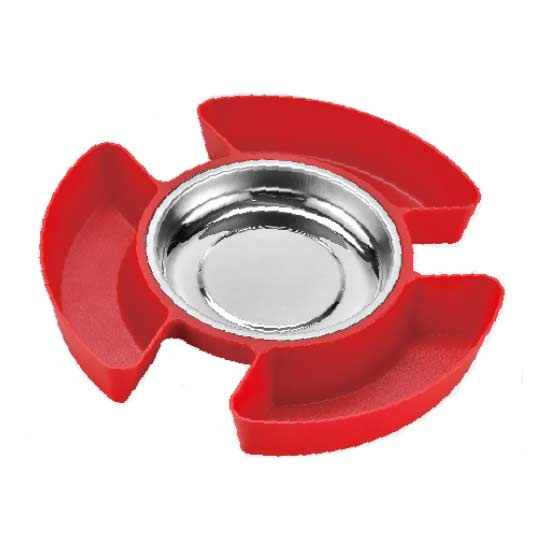 Magnetic Tray With Tool Plate
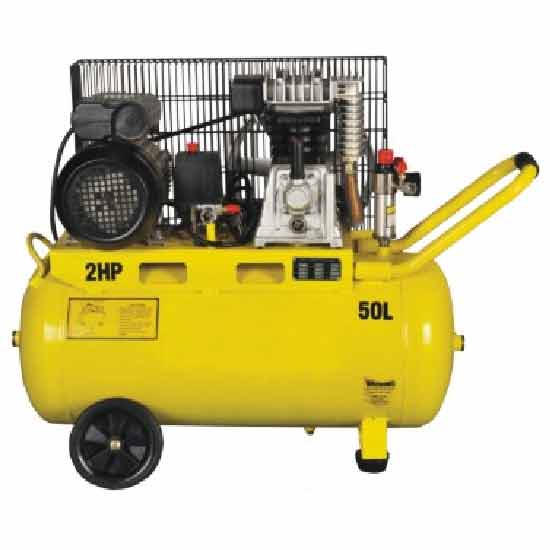 Single-stage Air-cool Movable Air Compressor
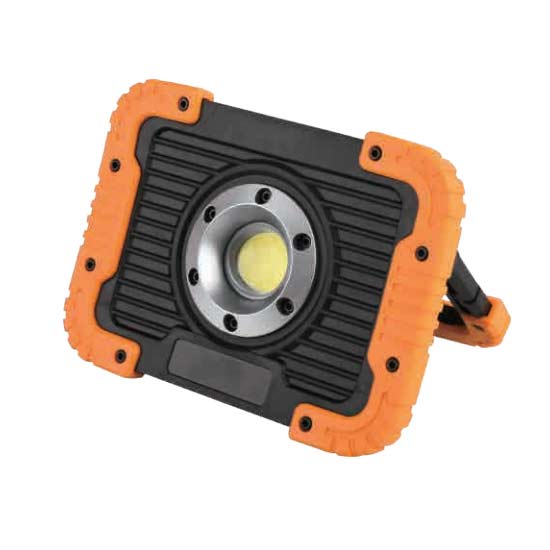 10W Rechargeable Led Flood Light
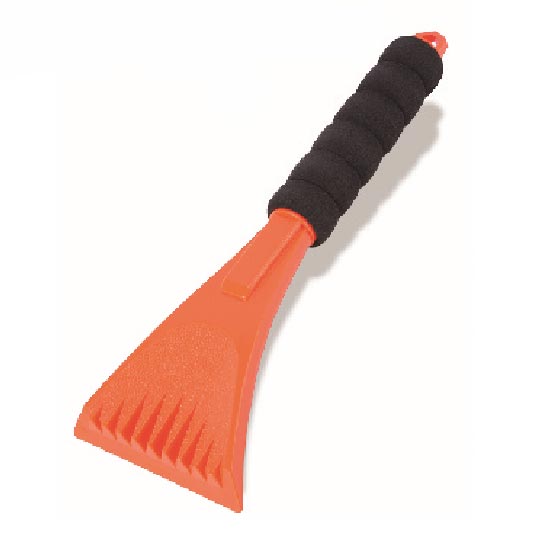 Ice Scraper
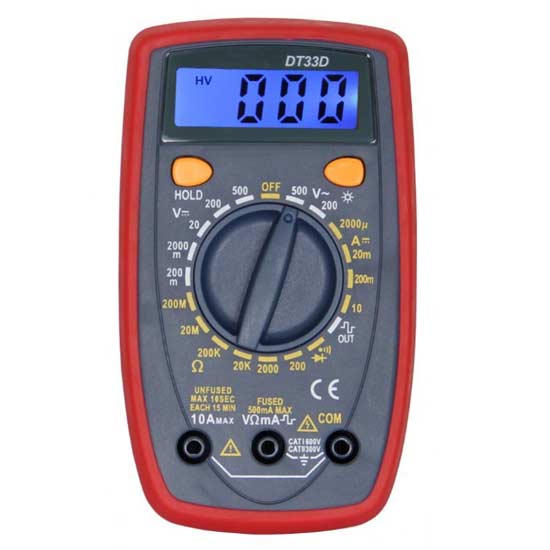 Small Multimeter with Backlight
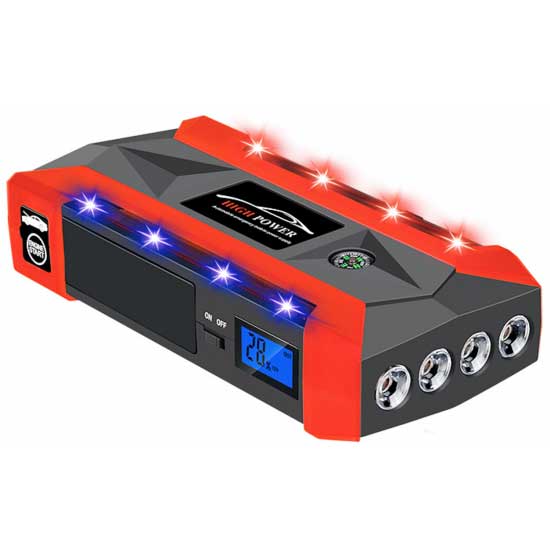 Jump Starter With 4 Led Lights
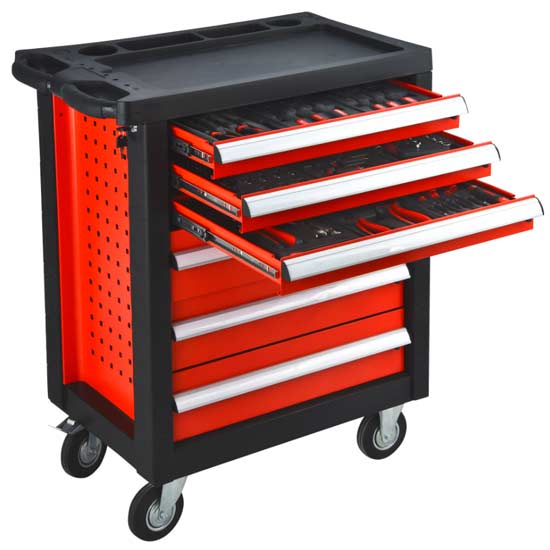 Steel Tool Cabinet
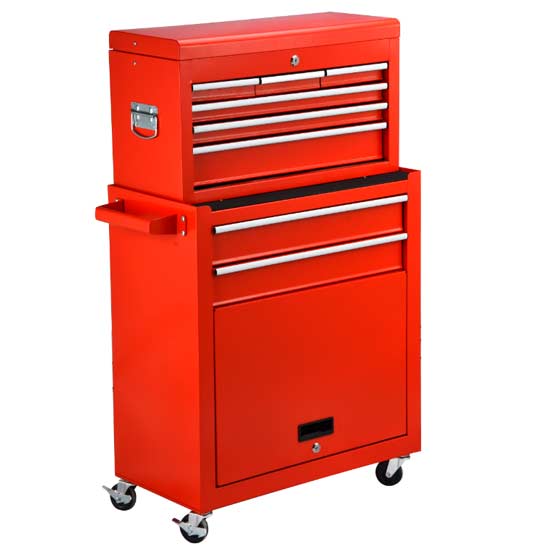 Large Tool Cabinet
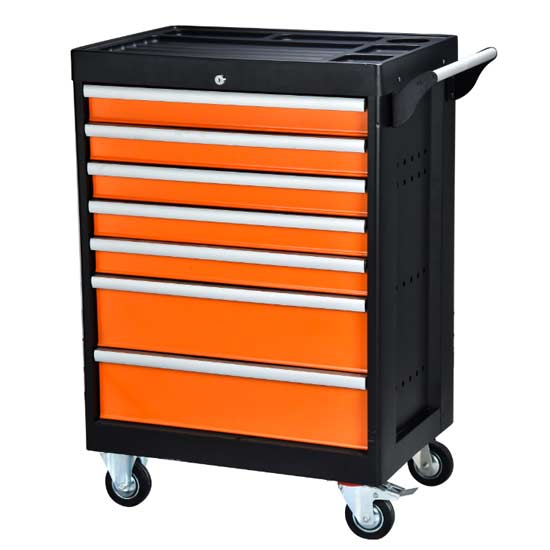 Tool Storage Cabinet
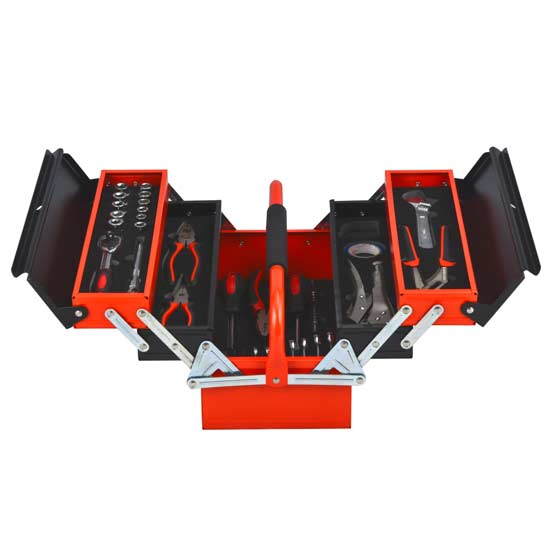 Metal Tool Box
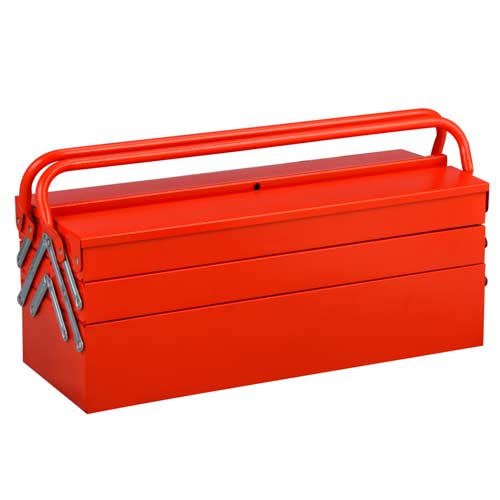 Large Metal Tool Storage Box
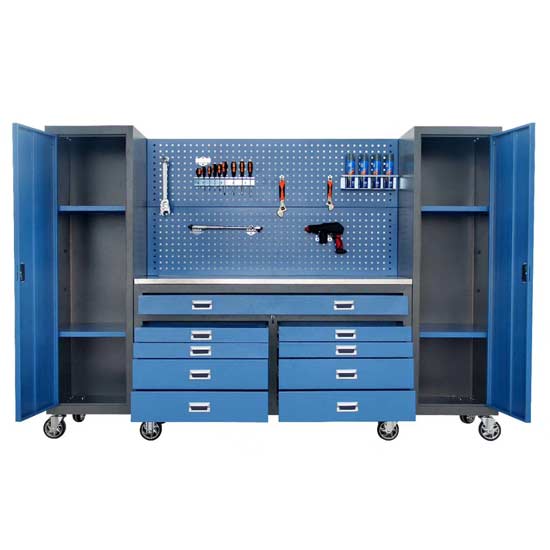 Blue Metal Tool Cabinet
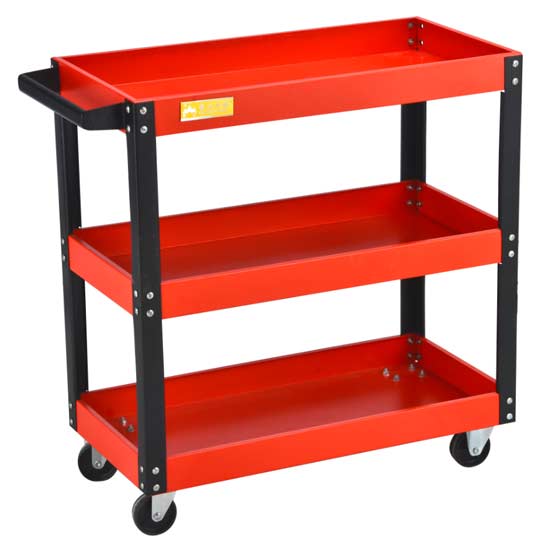 Red Steel Tool Trolley
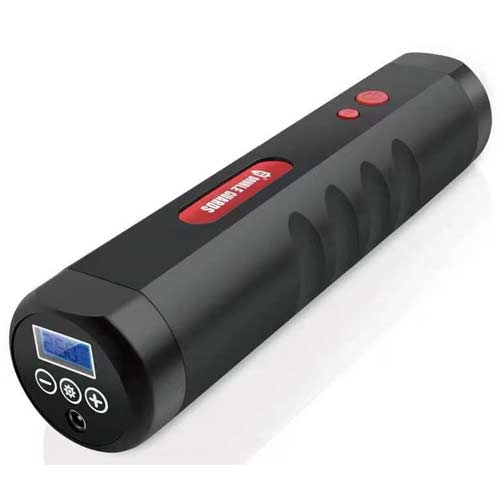 Portable Tire Inflator
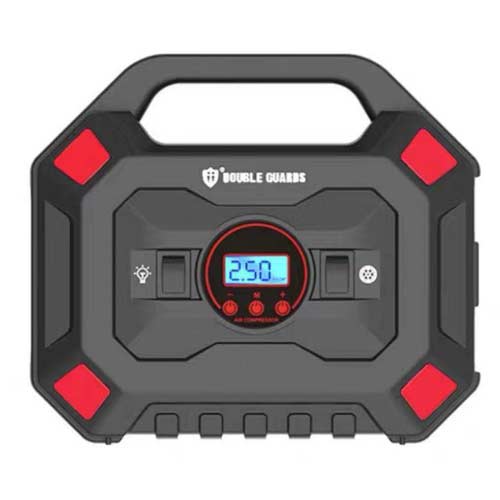 Custom Tire Inflator
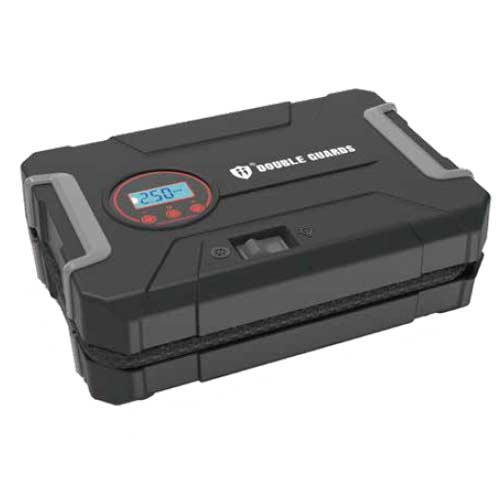 Tire Pressure Pump
 Auto Emergency kit