Choosing the right tool seats is essential for creating a comfortable and efficient work environment. Tool seats, such as stools or chairs, play a crucial role in providing support, stability, and proper ergonomics while working with tools or engaging in various tasks. In this guide, we will discuss key factors to consider when selecting tool seats.
Comfort: Comfort should be the top priority when choosing tool seats. Look for seats with sufficient padding or cushioning to provide adequate support for extended periods of sitting. Opt for seats with ergonomic designs that promote natural posture and reduce strain on the body. Adjustable features like height and backrest tilt allow customization to individual preferences and body types.
Height adjustment: Tool seats should offer height adjustability to accommodate different work surfaces and user heights. When sitting, your feet should be flat on the floor or supported by a footrest. The ideal seat height allows your knees to be at a 90-degree angle, promoting proper blood circulation and reducing pressure on the lower back.
Stability: Stability is crucial to ensure safety while working. Look for tool seats with a stable base and solid construction that can support your weight and movements. Chairs with a five-point base or stools with wide, sturdy legs provide better stability than those with fewer support points. Consider the weight capacity of the seat to ensure it can handle your body weight and any additional tools or equipment you may have.
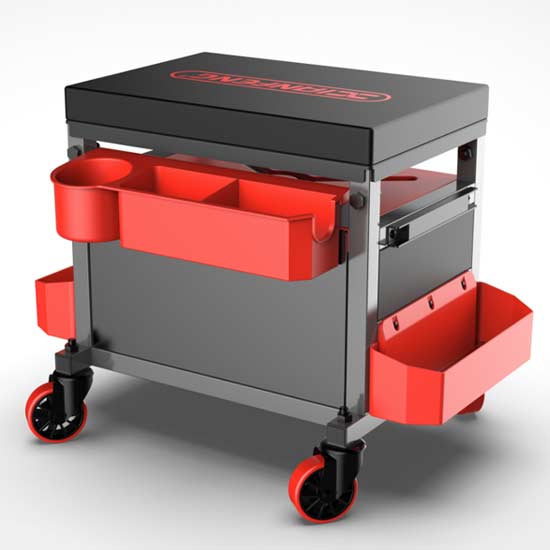
Mobility: Depending on your work requirements, you may need a tool seat that offers mobility. If you frequently move around or need to reach different areas within your workspace, consider seats with wheels or casters. Ensure that the wheels are of high quality, roll smoothly, and are suitable for the type of flooring in your workspace. Lockable casters are also beneficial to keep the seat stable when needed.
Durability: Tool seats should be durable enough to withstand the demands of your work environment. Look for seats made from high-quality materials such as sturdy metals or durable plastics. Check for reinforced joints, strong frames, and reliable mechanisms for height adjustment or reclining features. Consider seats with easy-to-clean upholstery or materials that are resistant to stains, spills, or tears.
Backrest support: If you anticipate spending long hours working, especially in seated positions, choose a tool seat with proper backrest support. Look for seats with adjustable backrests that can be tilted or reclined to fit your preferred posture. The backrest should provide adequate lumbar support, promoting a neutral spine position and reducing the risk of back pain or discomfort.
Breathability and temperature control: If your work environment tends to be warm or if you engage in physically demanding tasks, consider tool seats with breathable materials or mesh backrests. Breathable seats allow air circulation, preventing excessive sweating and discomfort. Additionally, seats with temperature-regulating features can provide added comfort in both hot and cold environments.
Easy maintenance: Tool seats should be easy to clean and maintain, especially in work environments where dirt, dust, or spills are common. Choose seats with smooth surfaces and upholstery that can be wiped clean easily. Removable and washable seat covers or cushions are convenient options for maintaining cleanliness and hygiene.
Budget: Finally, consider your budget when selecting tool seats. While it's important to invest in quality seats that provide comfort and durability, there are options available at various price points. Determine your budget range and explore different brands, models, and retailers to find the best balance between quality and affordability.
It's advisable to try out tool seats before making a purchase, especially if possible. Visit local stores or showrooms where you can physically test different seats to assess their comfort, adjustability, and overall suitability for your specific work requirements.

Different work environments require different types of tool seats. For example:
Garage tool stools are ideal for mechanics who need mobility.
Workshop tool seats with backrests provide comfort during long assembly tasks.
Height-adjustable tool seats are suitable for multi-purpose workstations.
Rolling tool stools are ideal for technicians who frequently move around equipment.
Selecting the right tool seat design can significantly improve efficiency, safety, and worker comfort.
A tool seat is designed to provide comfortable seating for workers performing tasks in workshops, garages, laboratories, or industrial environments. It improves posture, reduces fatigue, and allows easier access to tools and work surfaces.
The best workshop tool seat usually features adjustable height, strong construction, a stable base, and optional wheels for mobility. Ergonomic padding and backrest support are also recommended for long working hours.
Yes. Adjustable tool seats are generally better because they allow users to customize seat height and posture, improving ergonomics and comfort for different workstations and users.
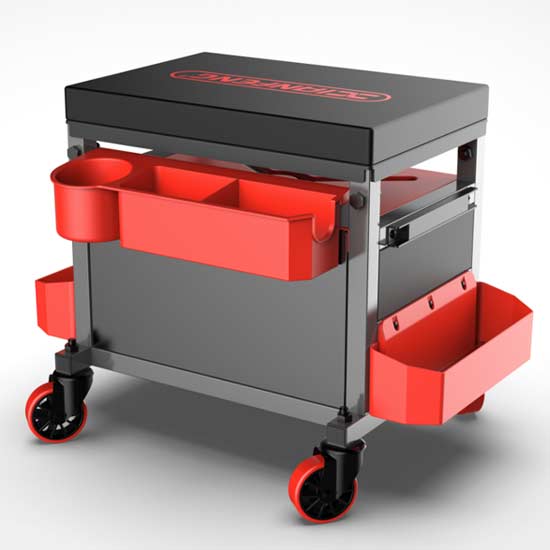 Tool seat
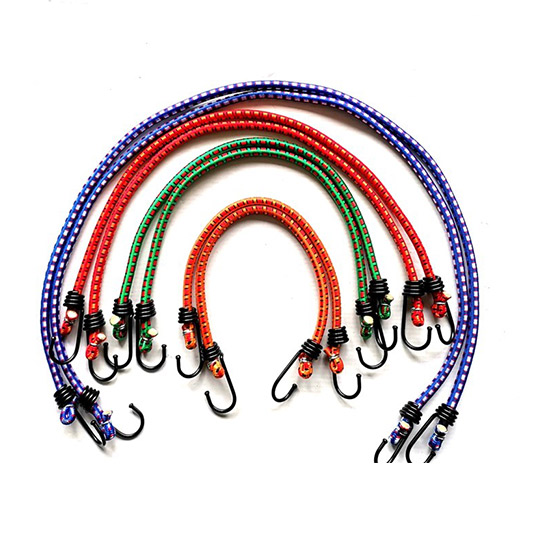 Stretch Cord
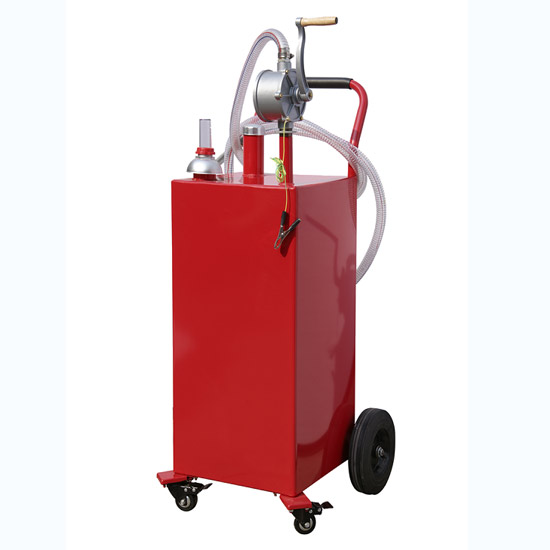 Oil Pump
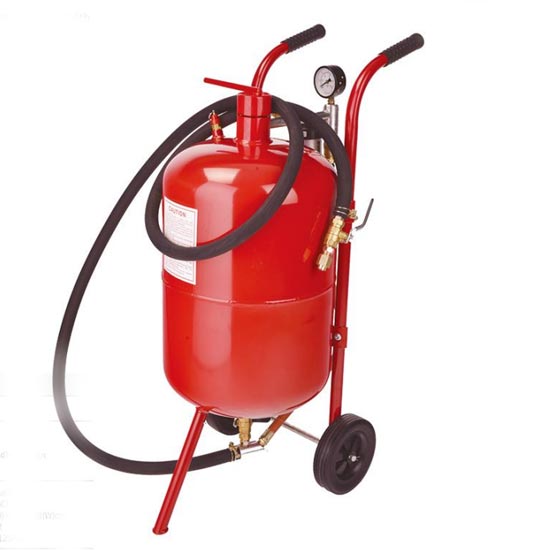 Sandblast Pot
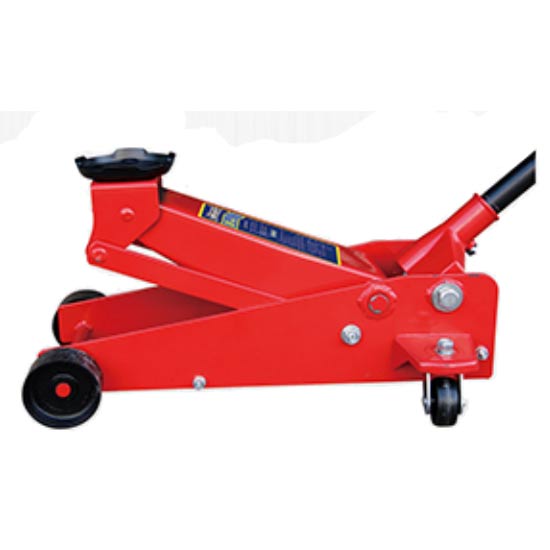 2.25 Ton Hydraulic Floor Jack
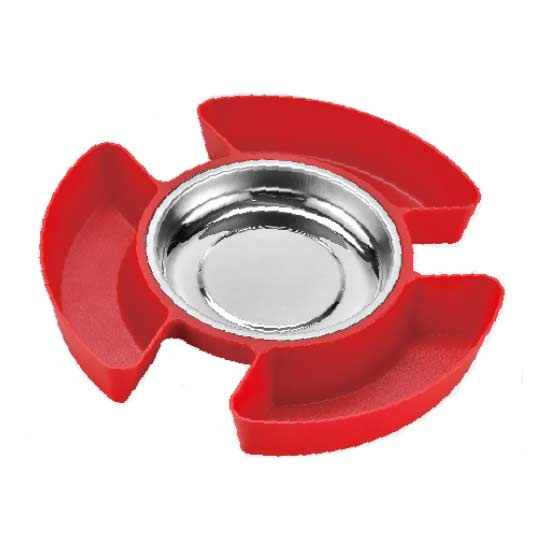 Magnetic Tray With Tool Plate
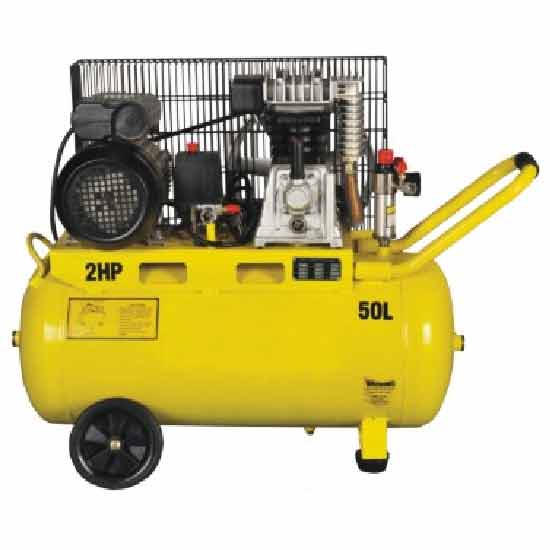 Single-stage Air-cool Movable Air Compressor
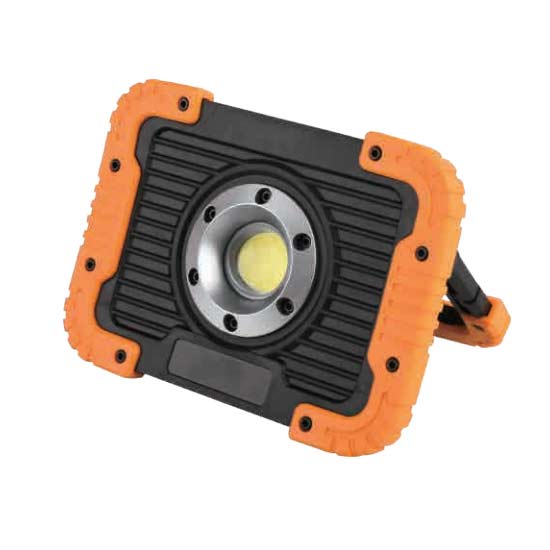 10W Rechargeable Led Flood Light
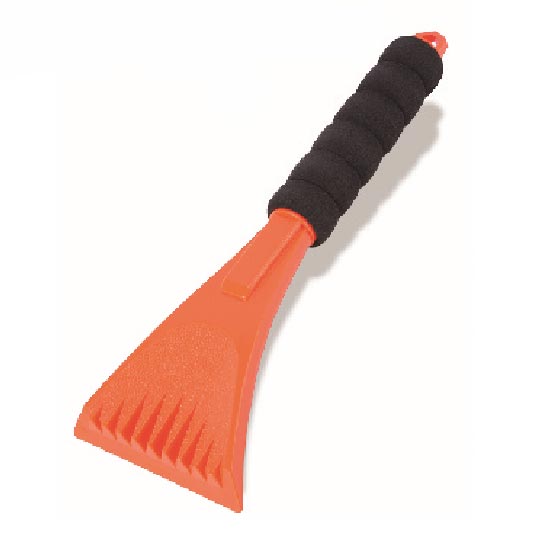 Ice Scraper
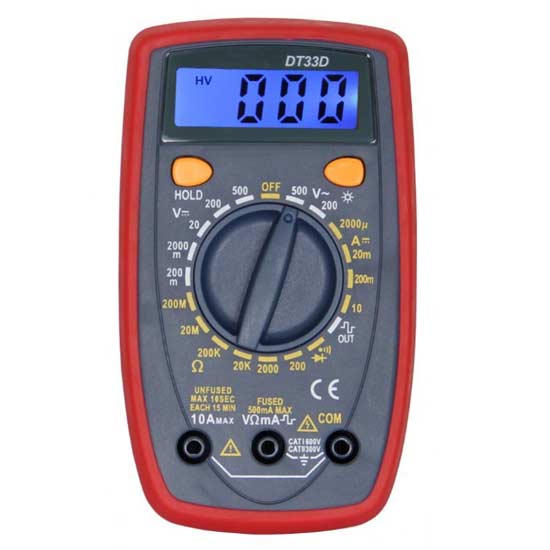 Small Multimeter with Backlight
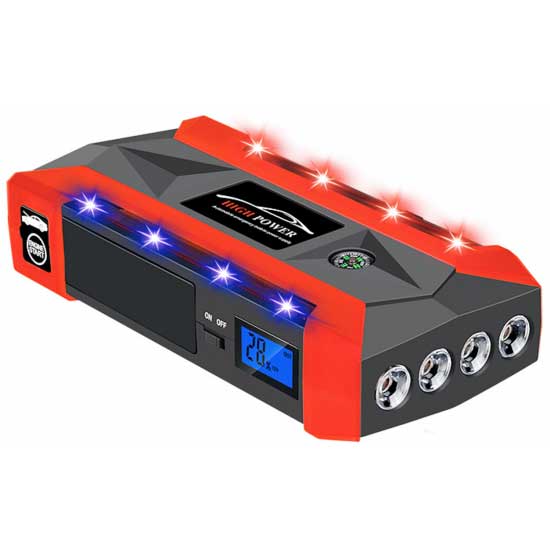 Jump Starter With 4 Led Lights
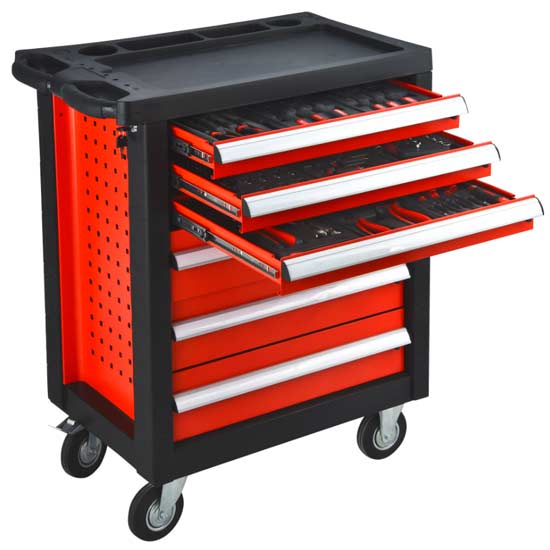 Steel Tool Cabinet
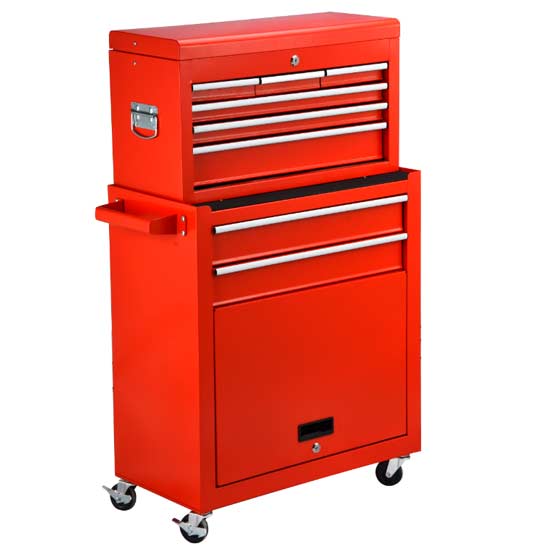 Large Tool Cabinet
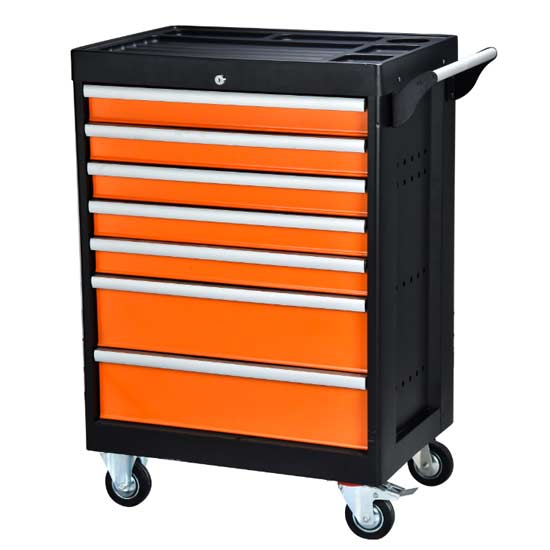 Tool Storage Cabinet
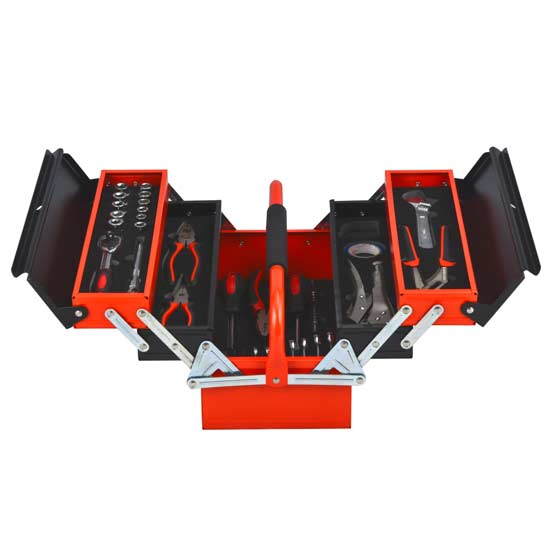 Metal Tool Box
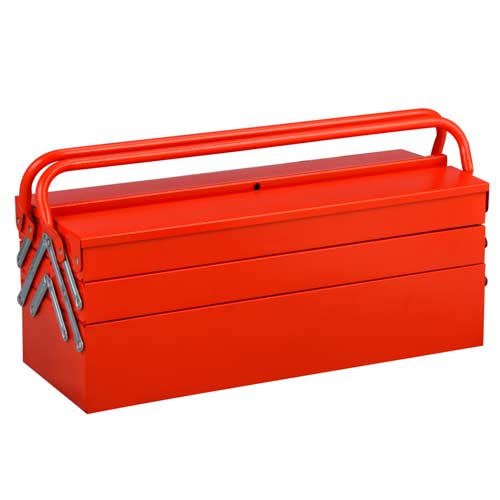 Large Metal Tool Storage Box
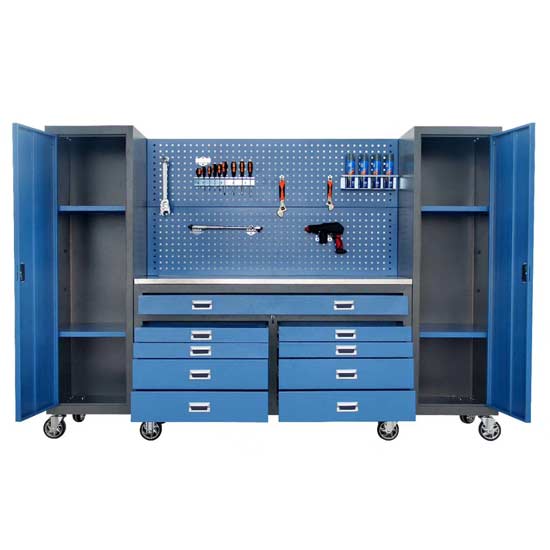 Blue Metal Tool Cabinet
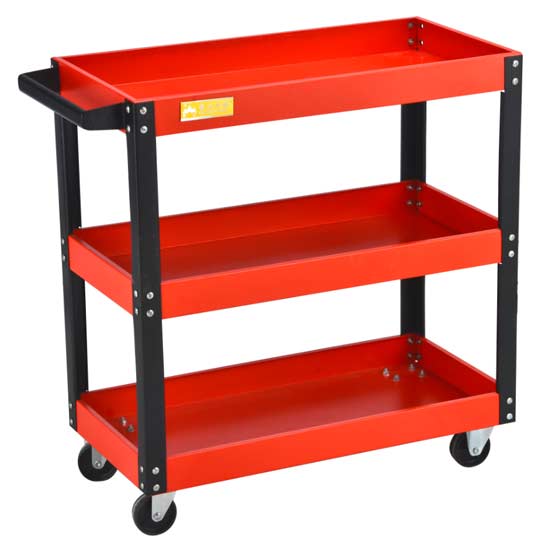 Red Steel Tool Trolley
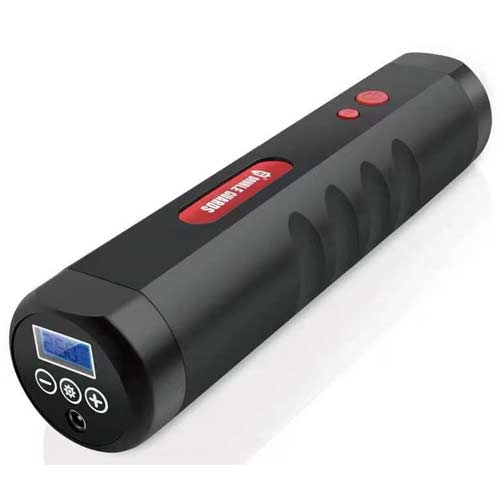 Portable Tire Inflator
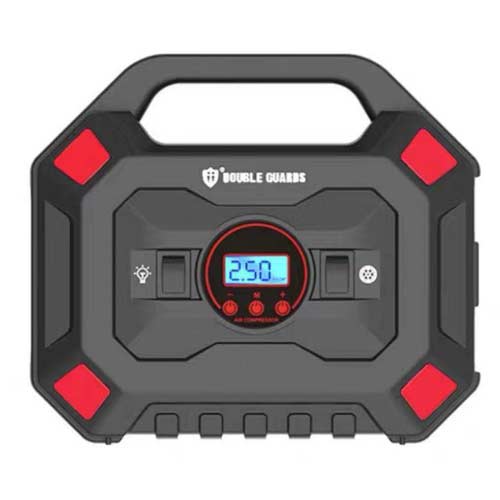 Custom Tire Inflator
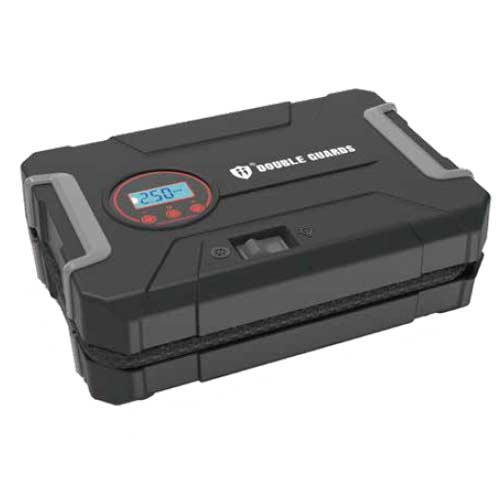 Tire Pressure Pump
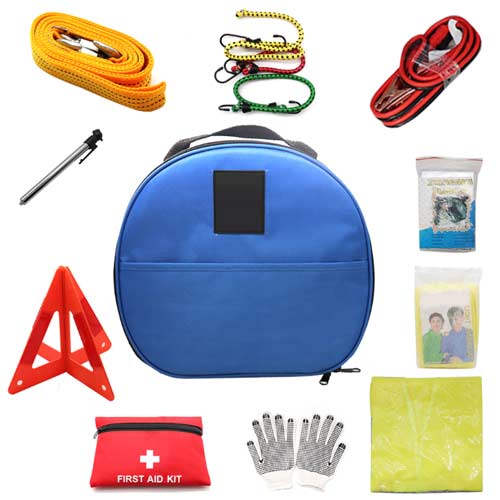 Auto Emergency kit