A hydraulic bottle jack is a powerful tool that can lift heavy loads with ease. However, over time, air can get trapped in the hydraulic system, which can reduce the jack’s lifting capacity and make it less effective. Bleeding the hydraulic system is a simple process that can help restore the jack’s performance. In this article, we will discuss how to bleed a hydraulic bottle jack.
Before you begin bleeding the hydraulic system, you need to release any pressure that may be in the jack. To do this, locate the release valve on the jack. This is usually located on the side or the bottom of the jack. Turn the release valve counterclockwise to release any pressure that may be in the jack. Be sure to turn the valve slowly to avoid sudden release of pressure.
Next, you need to fill the jack with hydraulic fluid. To do this, locate the filler plug on the jack. This is usually located on the top of the jack. Remove the filler plug and fill the jack with hydraulic fluid. Be sure to use the correct type of hydraulic fluid for your jack. Check the owner’s manual or the manufacturer’s website to find out which type of hydraulic fluid is recommended for your jack. Overfilling the jack can cause damage to the jack, so be sure to fill it to the recommended level.
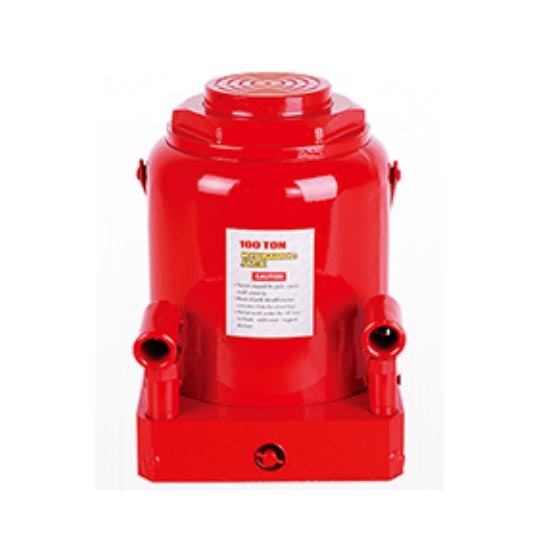
Once you have filled the jack with hydraulic fluid, replace the filler plug and tighten it securely. Be sure to wipe away any excess hydraulic fluid that may have spilled during the filling process.
Now that the jack is filled with hydraulic fluid, you need to build up pressure in the jack. To do this, pump the jack handle several times. This will help to build up pressure in the jack and prepare it for bleeding.
Next, you need to locate the bleed valve on the jack. This is usually located on the side or the bottom of the jack. The bleed valve is used to release any air that may be trapped in the hydraulic system.
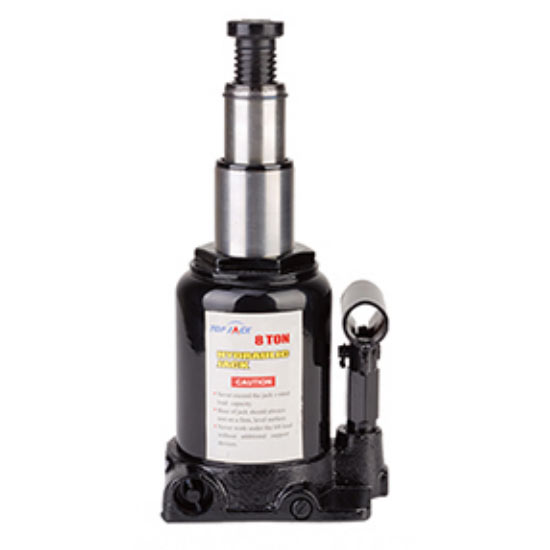
8 Ton Hydraulic Double Ram Bottle Jack
Turn the bleed valve counterclockwise to open it. This will allow any air that may be trapped in the hydraulic system to escape. You should hear a hissing sound as the air is released. Be sure to turn the valve slowly to avoid sudden release of pressure.
Once the bleed valve is open, pump the jack handle several more times. This will help to build up pressure in the jack and force any air that may be trapped in the hydraulic system out through the bleed valve.
After pumping the jack handle several times, turn the bleed valve clockwise to close it. This will prevent any hydraulic fluid from leaking out of the jack.
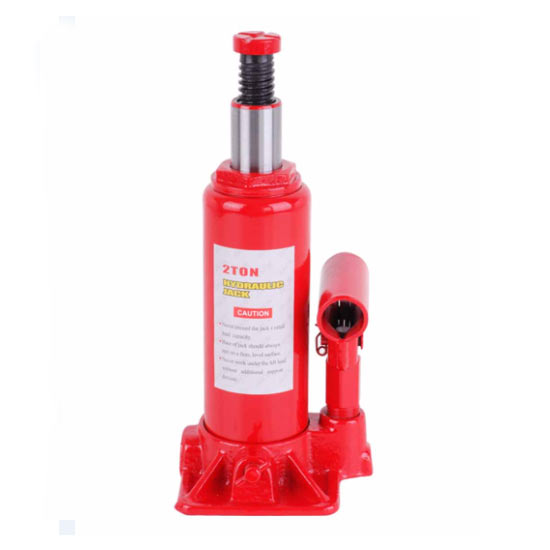
Repeat steps 6-8 until no more air bubbles come out of the bleed valve. This may take several attempts, depending on how much air is trapped in the hydraulic system. Be patient and take your time to ensure that all the air is bled from the system.
Once you have bled all the air from the hydraulic system, test the jack to make sure it is working properly. Place a load on the jack and pump the handle to lift the load. If the jack is working properly, it should lift the load with ease. If you notice any problems, such as reduced lifting capacity or slow lifting speed, you may need to bleed the hydraulic system again.
In conclusion, bleeding a hydraulic bottle jack is a simple process that can help restore the jack’s performance. By following these steps, you can ensure that your jack is working properly and is ready to handle any heavy-lifting tasks you may have. Remember to always use the correct type of hydraulic fluid for your jack and to follow the manufacturer’s instructions for proper use and maintenance.

Bleeding a hydraulic bottle jack is necessary when air enters the hydraulic system and reduces lifting efficiency. If you notice the jack cannot lift to its rated height or feels spongy, it is a clear sign you need to bleed bottle jack components to restore proper hydraulic pressure and performance.
To learn how to bleed a hydraulic jack safely, always start by placing the jack on a flat surface and removing any load. Open the release valve, fully lower the jack, and pump the handle several times to force trapped air out of the system. This basic method applies to most hydraulic bottle jacks.
There is no fixed schedule for how often to bleed a bottle jack, but it is recommended whenever the jack loses lifting power or after long periods of storage. Regular maintenance, including knowing how to bleed bottle jack systems, helps extend the service life and ensures safe operation.
Common signs that you need to bleed a bottle jack include slow lifting, reduced maximum height, or inconsistent pressure when pumping. These symptoms usually indicate trapped air in the hydraulic system, and bleeding the hydraulic jack can quickly resolve these issues.
Bleeding a bottle jack can fix many performance issues caused by air in the system, but it will not solve problems related to worn seals or low hydraulic oil levels. If bleeding the hydraulic bottle jack does not restore normal function, further inspection or repair may be required.
 Tool seat
 Stretch Cord
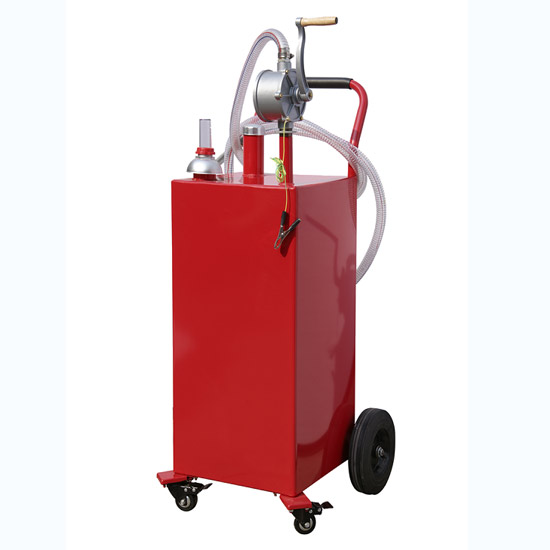 Oil Pump
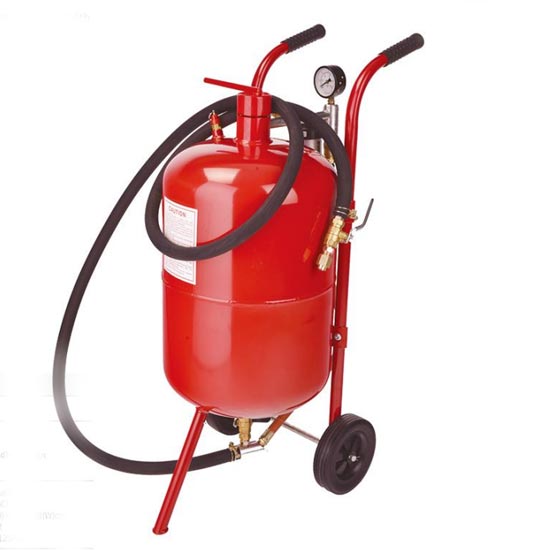 Sandblast Pot
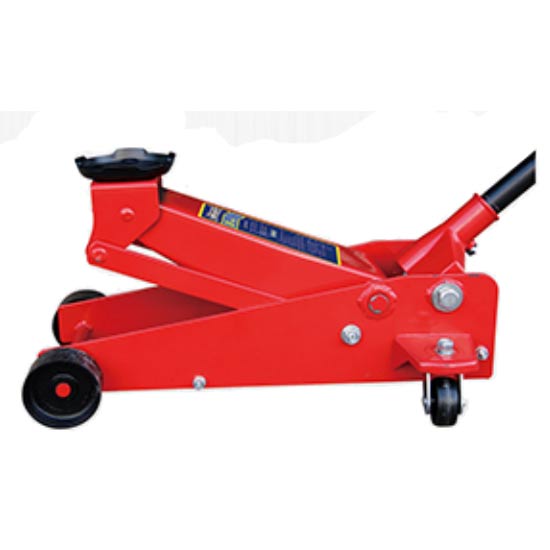 2.25 Ton Hydraulic Floor Jack
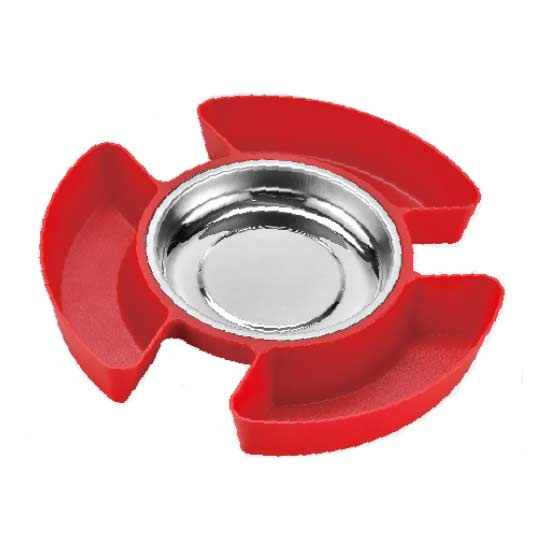 Magnetic Tray With Tool Plate
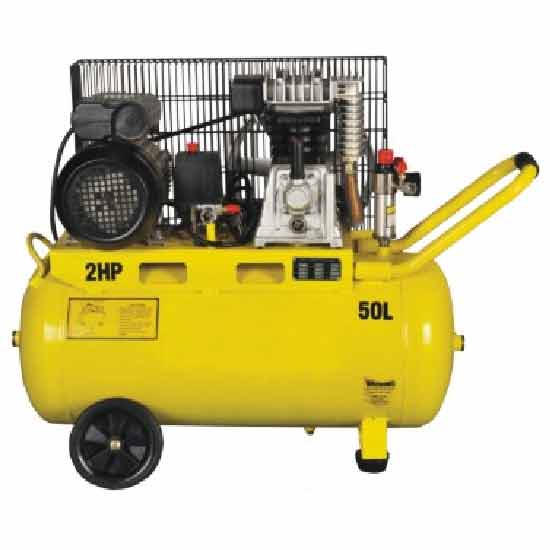 Single-stage Air-cool Movable Air Compressor
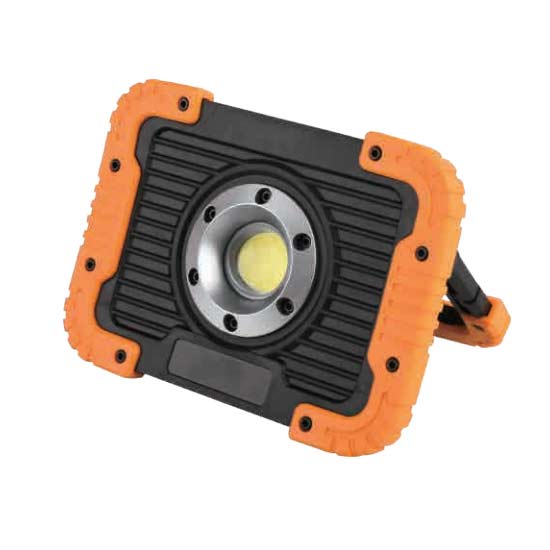 10W Rechargeable Led Flood Light
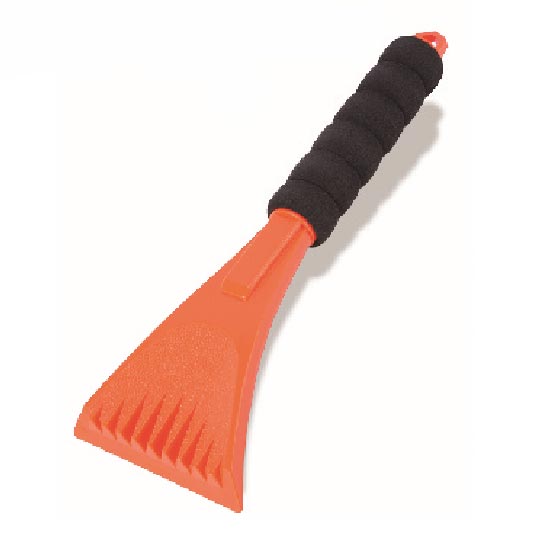 Ice Scraper
 Small Multimeter with Backlight
 Jump Starter With 4 Led Lights
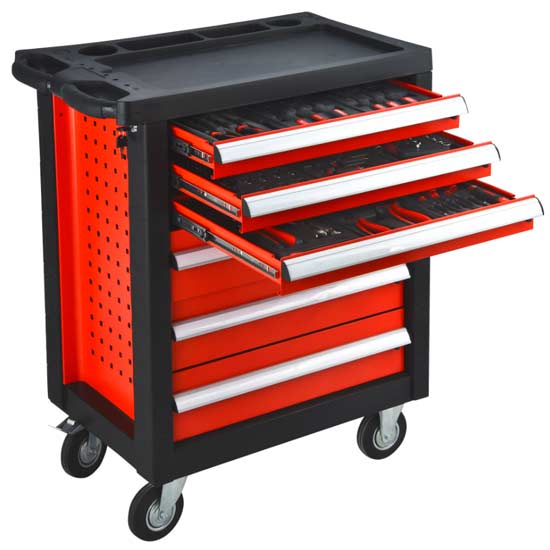 Steel Tool Cabinet
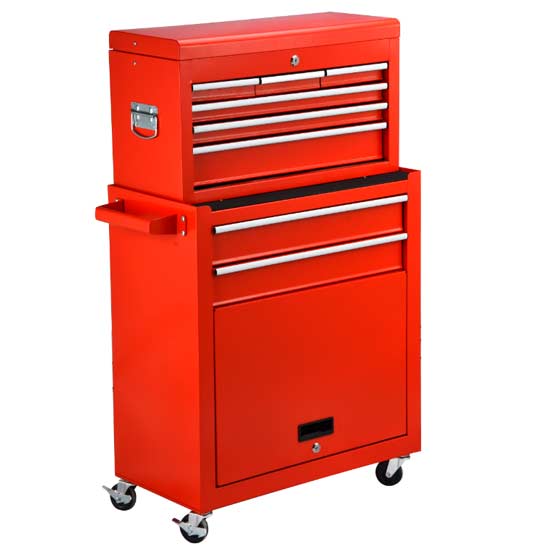 Large Tool Cabinet
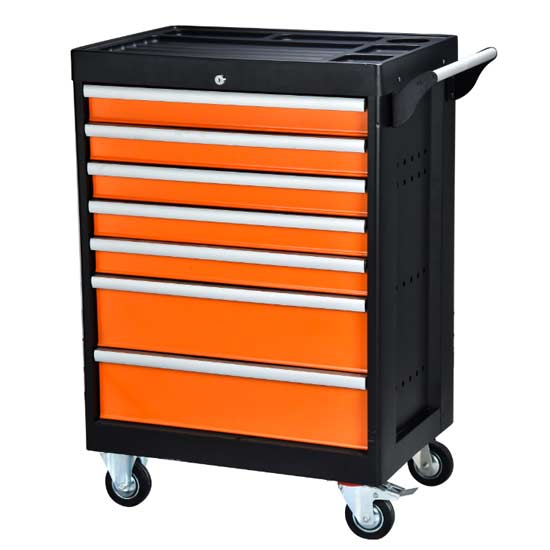 Tool Storage Cabinet
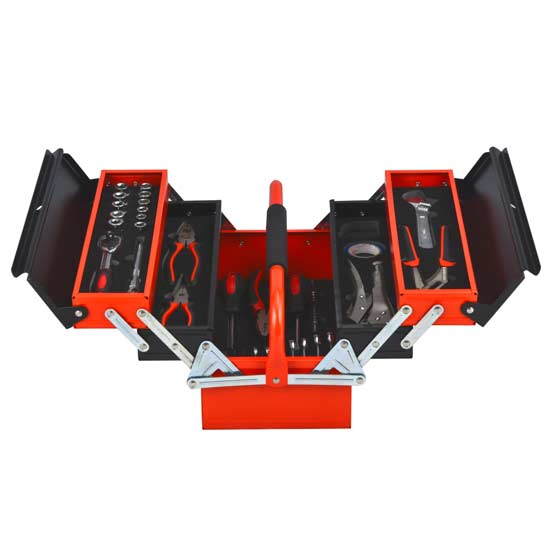 Metal Tool Box
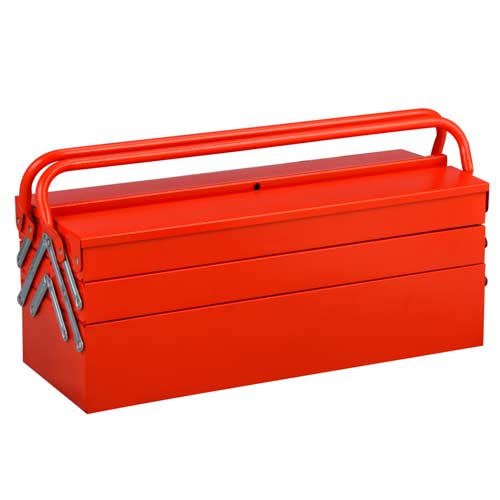 Large Metal Tool Storage Box
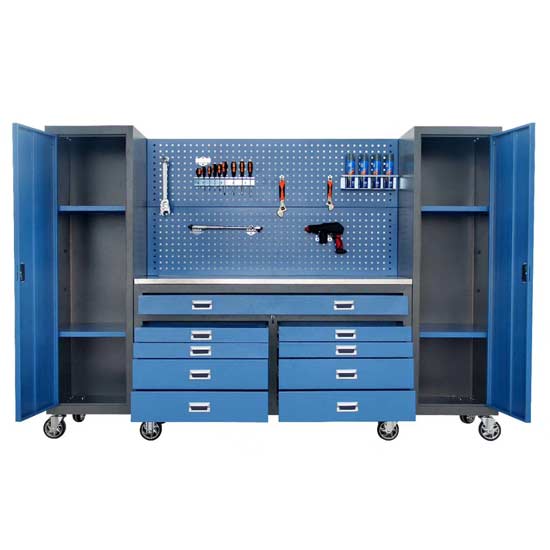 Blue Metal Tool Cabinet
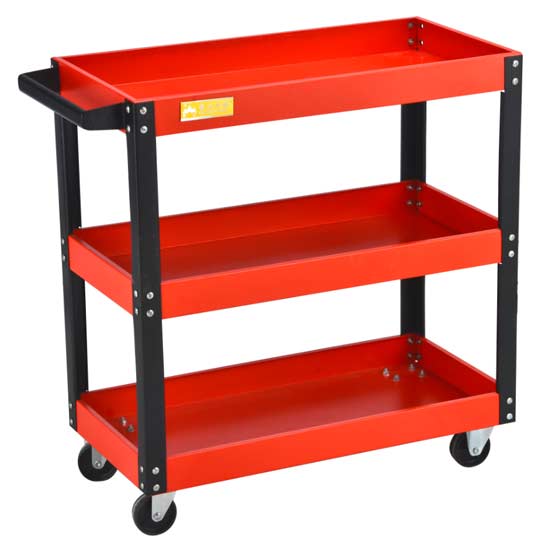 Red Steel Tool Trolley
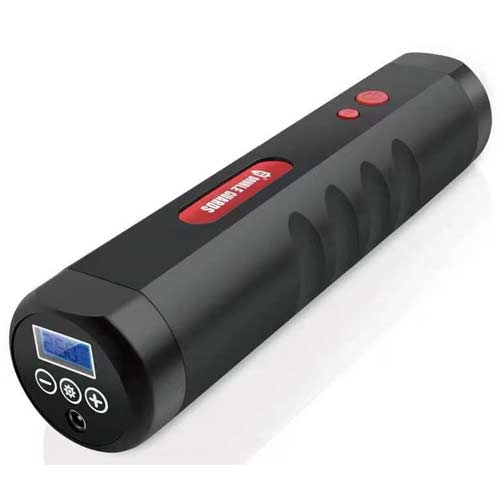 Portable Tire Inflator
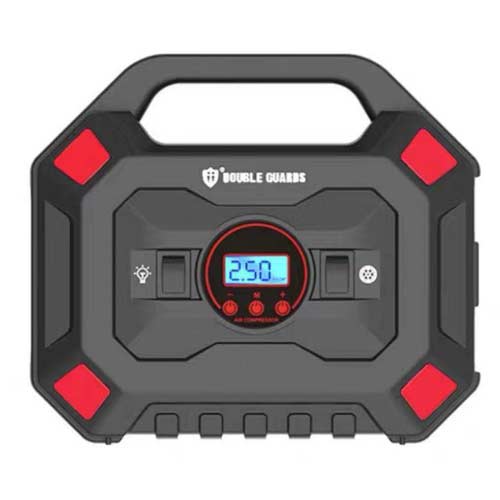 Custom Tire Inflator
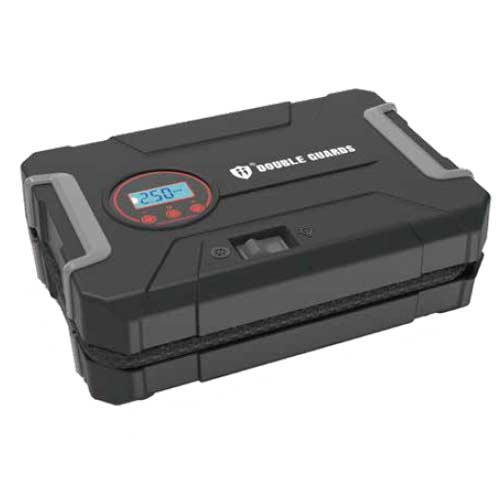 Tire Pressure Pump
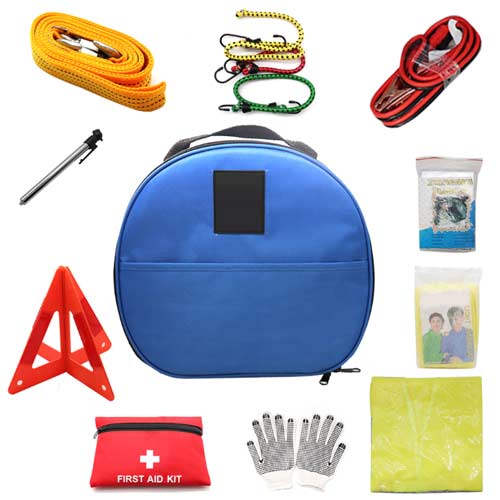 Auto Emergency kit